Printable day plans, phrase cheat-sheets, emergency numbers — for no-signal days in China.
Before you go
Entry and visa
Entry eligibility depends on your nationality, passport, route, and length of stay. Check the current rules with an official Chinese embassy, consulate, or the National Immigration Administration. Beijing may be relevant to certain visa-free transit arrangements, but eligibility and permitted travel areas depend on the traveler and itinerary. Re-verify before travel.
Carry your physical passport throughout this itinerary. Hotels, intercity transport, the Forbidden City, Tiananmen Square, and other real-name ticket systems may require it. A photograph or photocopy may not be accepted.
Money
Install both Alipay and WeChat before departure, link an eligible foreign bank card, and complete identity verification where possible. Foreign-card support, fees, transaction limits, and onboarding procedures can change. Re-verify before travel.
Keep both apps available because a card or QR transaction that works in one may fail in the other. Carry about ¥300–500 in cash as backup, preferably in smaller notes. Beijing businesses generally accept legal-tender cash, but some staff and machines are more accustomed to mobile payment. Ask staff to help display or scan the correct payment QR code if necessary.
Beijing Subway ticket machines and gates may not accept every foreign card or mobile-payment setup. A rechargeable physical transit card, single-journey tickets, or the transport function inside a supported payment app may be practical alternatives. Current eligibility and passport setup requirements vary. Re-verify before travel.
For the full step-by-step setup — linking a foreign card, verification, and backup options — see How to Pay in China.
Connectivity
An international roaming plan or travel eSIM that routes data outside mainland China is usually the simplest short-visit option. A local SIM can provide a mainland number but normally requires passport registration.
Some foreign services may be unavailable on ordinary mainland internet connections. If you depend on particular email, mapping, messaging, or work apps, arrange a lawful and reliable connectivity solution before arrival. Internet restrictions and VPN availability or performance can change. Re-verify before travel.
Download hotel details, tickets, maps, translations, and passport copies for offline use. Keep the hotel’s Chinese name and address saved separately.
Essential apps
- Alipay: payments, transport functions, and access to services such as ride-hailing. Not every foreign card or embedded service will work.
- WeChat: payments, messages, and attraction mini-programs. A mini-program is a small service operating inside WeChat; many booking interfaces remain primarily in Chinese.
- Amap/Gaode Maps or Apple Maps: walking, metro, and driving directions. Amap is detailed but largely Chinese-language.
- Trip.com: English-language hotel, train, and attraction booking support.
- Railway 12306: China’s official railway platform. It is not essential for this itinerary unless arriving or departing by train.
- Didi: ride-hailing, available through its own app or some major payment apps. Check that your foreign phone number and payment method work before relying on it.
- A translation app: download offline Chinese and camera translation. Save destination names in Chinese for drivers.
Day 1: Tiananmen Square, the Forbidden City, and Jingshan
Morning
Start at Tiananmen Square (天安门广场) around 07:30–08:00. Use Beijing Subway Line 1 to Tian’anmen East or Tian’anmen West station, then follow signs and police directions to the visitor security entrance. Allow 30–60 minutes for passport checks and airport-style screening; waits can be longer on weekends and holidays.
Square admission is free, but real-name advance reservations and a physical passport may be required. Re-verify before travel. Bags slow down security, so carry only what you need.
Walk through the square from south to north, passing the Monument to the People’s Heroes and the exterior of the Great Hall of the People. Mao’s Mausoleum requires a separate reservation and strict baggage arrangements; skip it on this itinerary unless it is a personal priority.
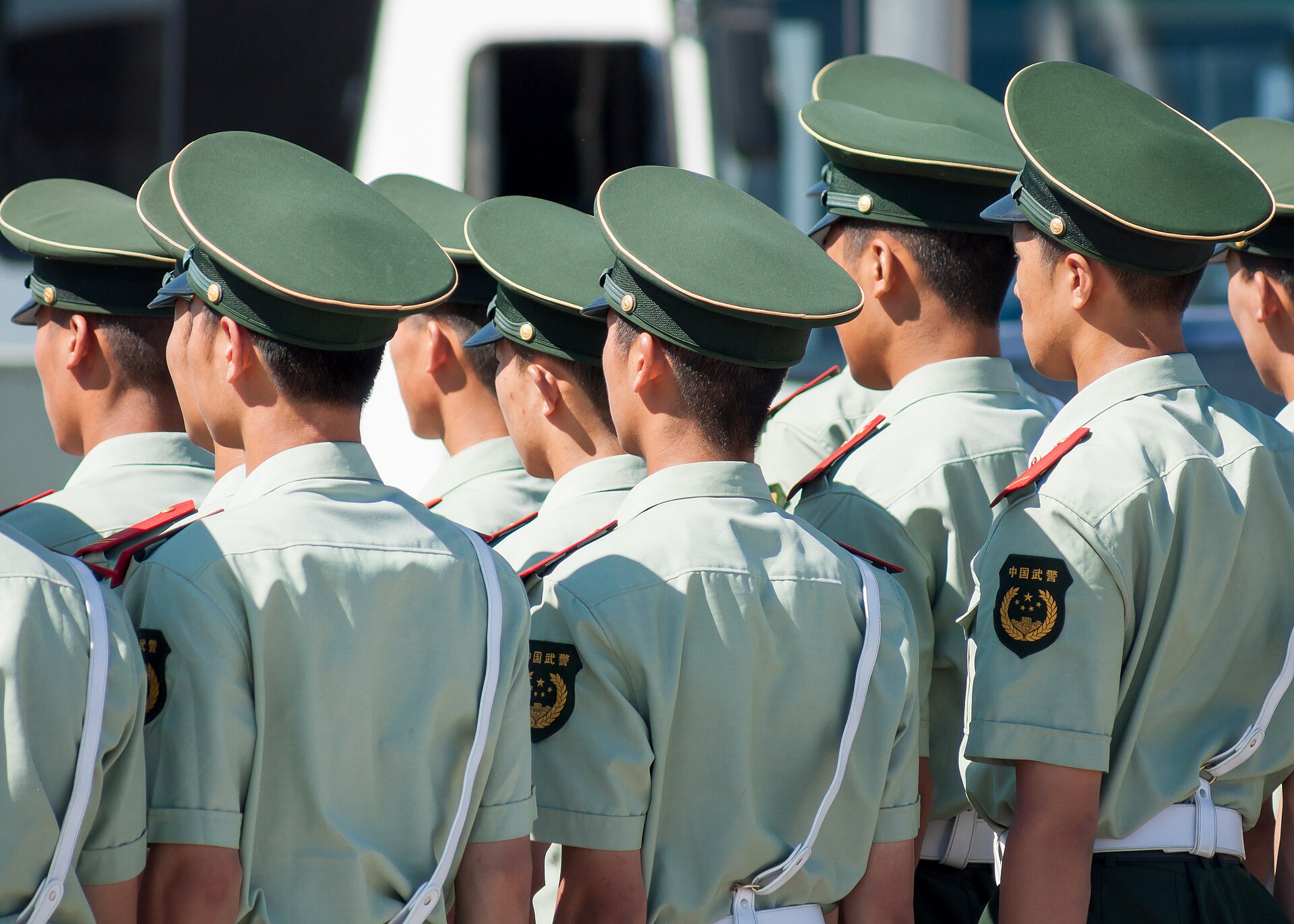
Continue north through the Tiananmen gate area toward the Forbidden City (故宫博物院). The palace uses timed, real-name admission and regularly sells out. Foreign visitors should reserve through the Palace Museum’s official channel and bring the same physical passport used for booking. Ticket releases and foreign-passport procedures can change. Re-verify before travel.
Afternoon
Enter the Forbidden City through the Meridian Gate and allow three to four hours. Follow the central ceremonial route through the major halls, then divert into one or two side areas rather than attempting every courtyard.
Standard peak-season admission is commonly ¥60, with separate small charges for galleries such as the Treasure Gallery and Clock Gallery. The museum is generally closed on Mondays except for some public holidays. Opening times, prices, closing days, ticket-release schedules, and gallery access are volatile. Re-verify before travel.
There are limited food options inside, so eat an early lunch before entry or use the basic cafés and snack counters. Do not plan to leave and re-enter.
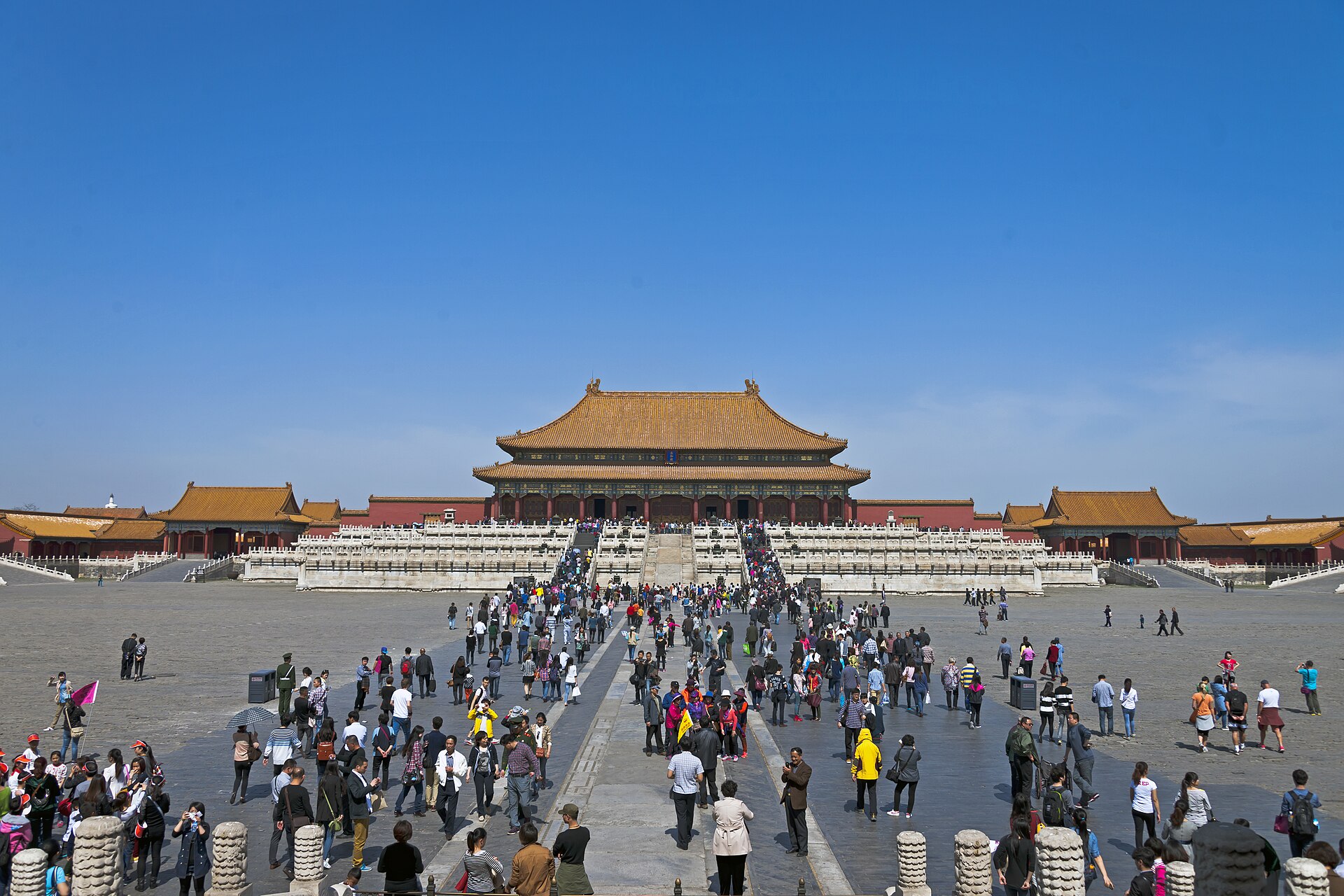
Exit through the north-facing Gate of Divine Prowess. Cross the road using the designated pedestrian route to Jingshan Park (景山公园), roughly 10 minutes away after exiting. Admission is usually about ¥2. Re-verify before travel.
Climb the central hill for the classic view over the Forbidden City. The climb is short but includes steep steps. Allow 45–75 minutes, including queues at the main viewpoint.
Evening
From Jingshan, walk 20–30 minutes or take a short taxi to the Shichahai (什刹海) area. Eat around Di’anmen or the streets outside the busiest lakeside strip, where prices and quality are generally less dependent on passing visitors.
Useful Beijing dishes include zhajiangmian noodles (炸酱面), jiaozi dumplings (饺子), and copper-pot mutton hotpot (铜锅涮肉). Expect about ¥40–100 per person for a straightforward meal or more for hotpot.
Finish by 21:00. Shichahai station on Subway Line 8 is the simplest return point for many central hotels. Check the last useful connection in your map app before entering; metro operating times vary by line and direction. Re-verify before travel.
This day deliberately leaves out the National Museum of China, Beihai Park, and additional palace galleries. Combining them with Tiananmen, the Forbidden City, and Jingshan would turn the day into a queue-driven checklist.
Day 2: Mutianyu Great Wall
Morning
Leave central Beijing by 07:00 for the Mutianyu section of the Great Wall (慕田峪长城). Mutianyu is a good first-visit choice because it has restored walls, substantial mountain scenery, and cable-car access while usually feeling less compressed than Badaling.
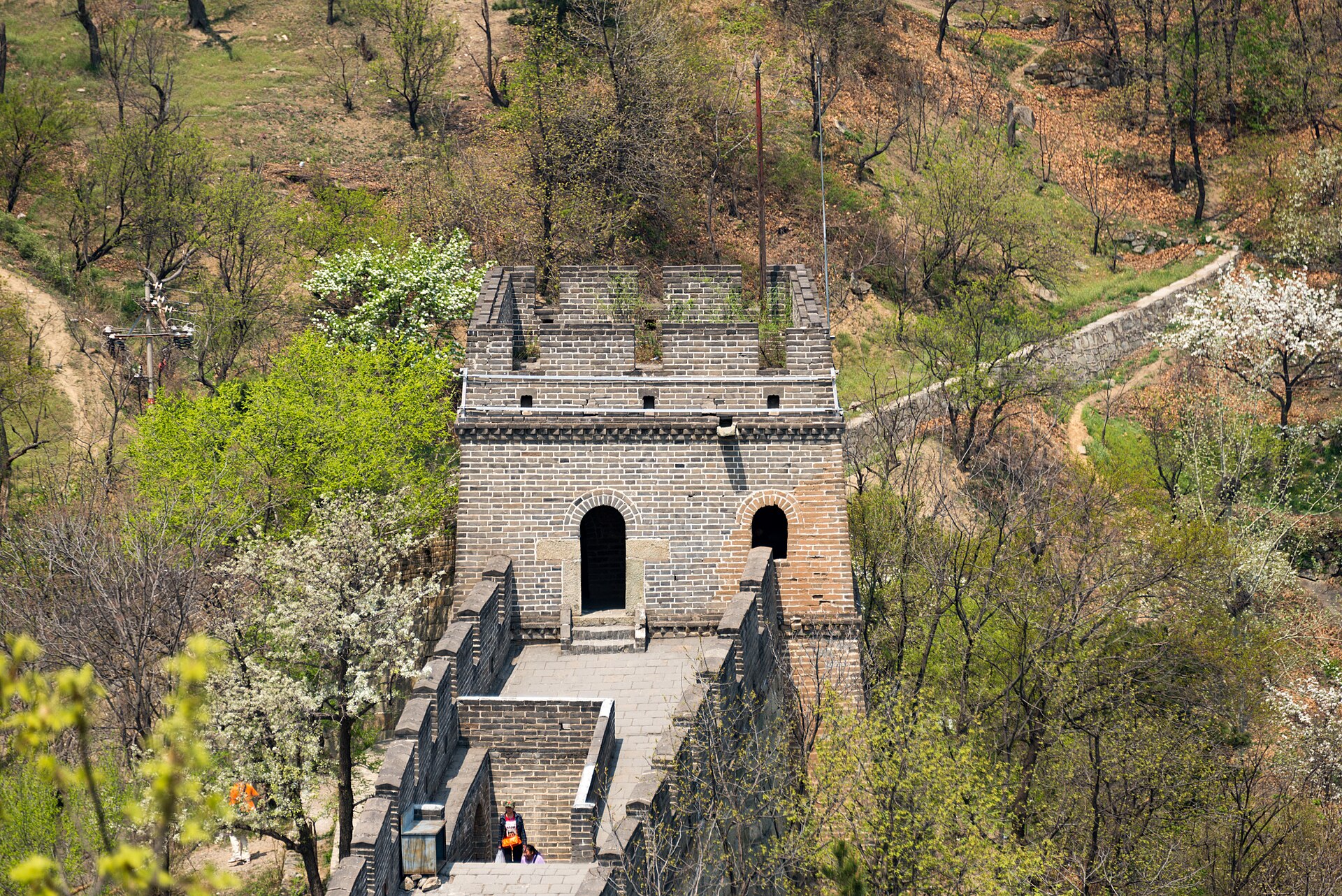
The simplest option is a reputable direct tourist bus or pre-arranged transfer. Direct services commonly use central pickup points, but operators, departure locations, schedules, and booking methods change. Confirm the exact pickup point in Chinese and arrive at least 20 minutes early. Re-verify before travel.
Independent public transport generally involves reaching the Huairou area by express bus and changing to a local bus or taxi. It is cheaper but slower, signage is less English-friendly, and the final connection can be irregular. For a three-day first visit, the direct bus or a pre-booked car is worth the extra cost.
Allow roughly 1.5–2.5 hours each way depending on the pickup point and traffic. A private or ride-hailing car can cost several hundred RMB each way; confirm that the driver will collect you again because finding a return car can be harder late in the day.
Afternoon
The main admission ticket is commonly about ¥40, with additional charges for the internal shuttle and cable-car or chairlift systems. A combined transport setup can bring the total to roughly ¥120–200. Prices, operating hours, package combinations, and weather closures can change. Re-verify before travel.
Allow four to five hours at the site, including the visitor center, shuttle transfer, ascent, walking, and lunch. A practical moderate route is to ascend by cable car, walk between several watchtowers, and return by cable car. The chairlift-and-toboggan combination is an alternative, but it may close in rain, snow, high winds, or poor visibility.
Even restored sections contain steep, uneven steps. Wear shoes with grip, carry water, and avoid committing to a long one-way traverse unless everyone in the group is comfortable with repeated climbs. Food near the entrance is more expensive than in central Beijing; budget about ¥40–100 for lunch or bring snacks.
Reserve direct transport ahead during weekends and holidays. Carry your passport because transport operators or ticket systems may request identification.
Evening
Aim to leave Mutianyu by 16:00–17:00 and return to central Beijing around 18:30–20:00. Traffic can add an hour or more, so do not attach a timed evening attraction to this day.
Have dinner near your hotel. If you still have energy, walk through Wangfujing (王府井) for a convenient central-city evening rather than another formal sight. Wangfujing station is on Subway Line 1, and Jinyu Hutong station is on Line 8.
For bad weather, do not force the trip merely because transport is booked. An in-city alternative is the National Museum of China, followed by Wangfujing, but the museum requires its own real-name reservation and is generally closed on Mondays. Re-verify before travel.
Day 3: Temple of Heaven, Summer Palace, and hutongs
Morning
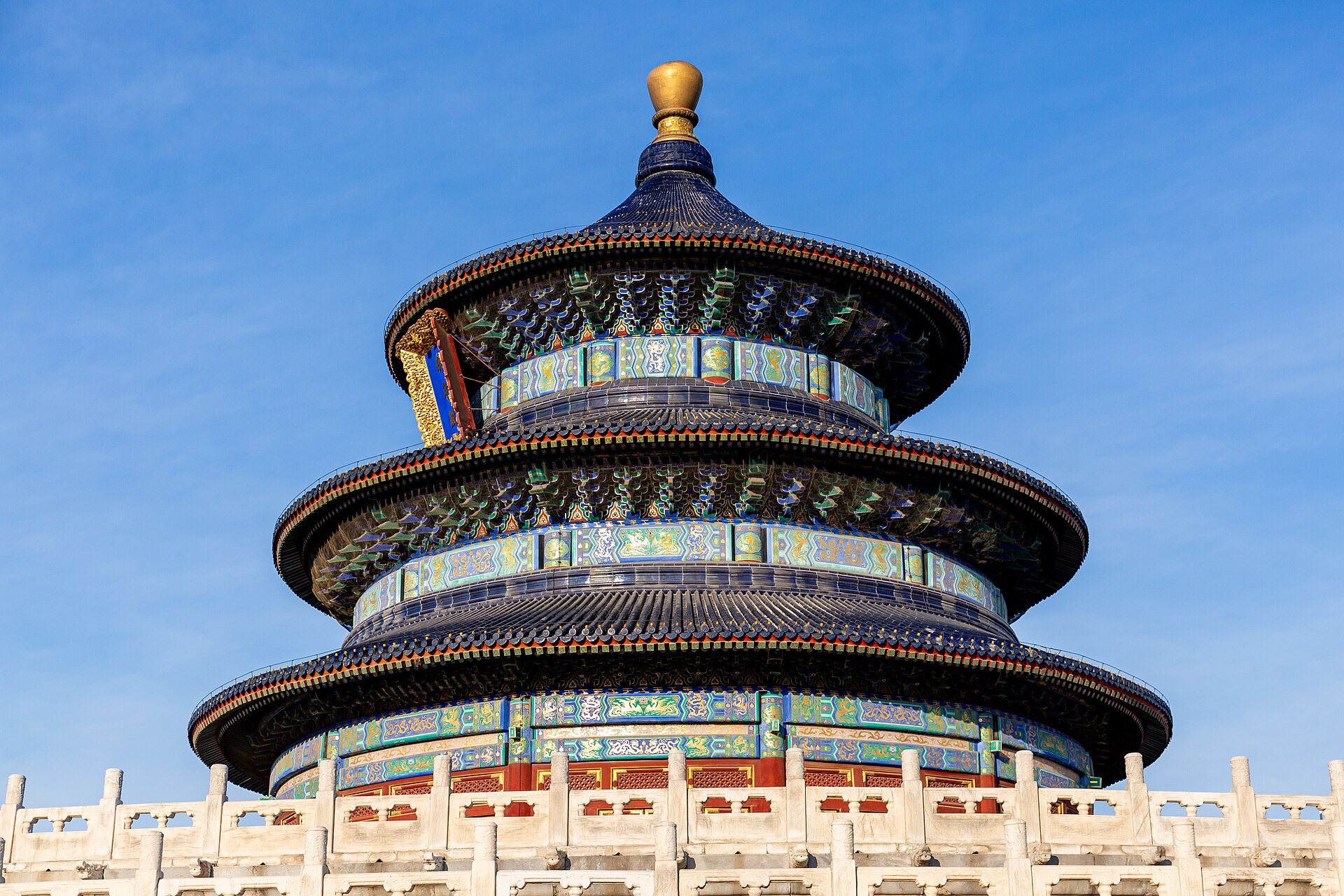
Reach the Temple of Heaven (天坛公园) east gate around 08:00 using Subway Line 5 to Tiantandongmen station. Early morning gives you cooler temperatures, fewer tour groups, and a chance to see residents exercising, singing, or playing traditional games without intruding on them.
Enter through the east gate and walk west toward the Hall of Prayer for Good Harvests, then continue along the Danbi Bridge toward the Imperial Vault of Heaven and Circular Mound Altar. Allow two to three hours.
The basic park ticket does not necessarily include the major ceremonial buildings. A through ticket is commonly around ¥34 in peak season, while prices and sales arrangements vary by season. Opening hours for the park and enclosed attractions also differ. Re-verify before travel.
Leave through the east or north side and eat an early lunch nearby. This is a practical area to try douzhi only if you actively want Beijing’s sour fermented mung-bean drink; it is not an easy crowd-pleaser. Baozi, dumplings, or noodles are safer choices, generally ¥20–60.
Afternoon
Travel to the Summer Palace (颐和园), allowing about 60–75 minutes by metro. From Tiantandongmen, a typical route uses Line 5, Line 10, and Line 4; confirm the best live route because transfer arrangements can change. Beigongmen station on Line 4 is convenient for the palace’s north side.
The Summer Palace is large, hilly, and a better use of this final afternoon than adding another indoor museum. Enter from the north, cross the Suzhou Street area if it is open, climb through the Longevity Hill complex, descend toward the Long Corridor, and finish beside Kunming Lake. Allow three to four hours.
Basic admission is commonly ¥30 in peak season, while a through ticket covering additional internal sites is commonly ¥60. Seasonal prices, internal closures, boat operations, and ticket requirements can change. Re-verify before travel.
The north approach contains steep stairs. Travelers with limited mobility should use a flatter gate and focus on Kunming Lake and the Long Corridor. In heavy rain or extreme heat, shorten the palace visit and spend the afternoon at the Capital Museum or National Museum only if you have secured the appropriate reservation.
This itinerary chooses the Summer Palace over the Lama Temple and 798 Art District because it adds imperial landscape design and open space rather than another dense urban sight. Choose the Lama Temple instead if you want a shorter day with less cross-city travel.
Evening
Leave the Summer Palace by about 17:00–18:00 and allow roughly one hour to reach central Beijing. Take Line 4 and transfer according to your live route toward Shichahai (什刹海) or Nanluoguxiang (南锣鼓巷).
Use the evening for a measured hutong walk rather than a commercial rickshaw circuit. A practical route runs from the Drum and Bell Tower area through nearby lanes toward Shichahai. Remain on public streets, keep noise down, and remember that many courtyards are private homes.
Nanluoguxiang is easy to navigate but heavily commercial. The lanes west of the Drum Tower offer a more residential atmosphere, although cafés and bars are still common around the main streets. Allow 60–90 minutes and stop if fatigue from the Summer Palace catches up with you.
Eat near Gulou or Shichahai and finish around 20:30–21:00. Use Shichahai station on Line 8 or Nanluoguxiang station on Lines 6 and 8. If you miss a useful metro connection, request a licensed taxi or Didi and show the hotel name and address in Chinese.
Practical information
Where to stay
For this route, stay near Wangfujing, Dongdan, Chongwenmen, or another central station with straightforward access to Lines 1, 2, 5, or 8. This reduces the Day 1 start time and makes the early Mutianyu departure easier.
Walking and accessibility
Expect approximately:
- Day 1: 10–14 km, including extensive palace paving and Jingshan steps
- Day 2: 5–10 km, much of it on steep and uneven Great Wall stairs
- Day 3: 12–16 km, including Temple of Heaven and Summer Palace grounds
The Great Wall and Jingshan are stair-heavy. The Summer Palace’s north route also includes steep climbing; use a flatter entrance if necessary.
Budget
Allow roughly ¥250–500 per person per day for ordinary meals, metro travel, and admissions. Day 2 may cost ¥350–900 depending on whether you use a bus, shared transfer, or private car. Accommodation, shopping, premium meals, and flights or trains are not included.
Transport and timing
Central Beijing metro services generally operate from early morning until late evening, but the last train varies by station, line, and direction. Re-verify before travel. Security screening occurs at metro entrances, major sights, and railway stations, so allow extra time.
Traffic around Tiananmen and on the Mutianyu route can be severe. Do not use a car for short central journeys when the metro is practical.
Weather and crowds
Beijing summers are hot and can be humid; winters are cold, dry, and windy. Spring may bring dust, while summer rain can disrupt outdoor attractions and Great Wall transport. Check the weather and air-quality forecast before the Mutianyu day.
Avoid Chinese public-holiday peaks if possible, especially the National Day holiday around 1 October, Lunar New Year, and major school-holiday weekends. Reservations and transport can sell out well ahead.
Useful names to save:
- Tiananmen Square — 天安门广场
- Forbidden City or Palace Museum — 故宫博物院
- Jingshan Park — 景山公园
- Mutianyu Great Wall — 慕田峪长城
- Temple of Heaven — 天坛公园
- Summer Palace — 颐和园
- Shichahai — 什刹海
- Nanluoguxiang — 南锣鼓巷
Re-verify before travel
- China’s visa, visa-free transit, and entry rules for your nationality and route
- Tiananmen Square reservation and security procedures
- Forbidden City ticket-release timing, foreign-passport booking, prices, hours, and closure days
- Jingshan Park hours and admission
- Mutianyu admission, shuttle and cable-car prices, weather closures, and return transport
- Temple of Heaven and Summer Palace seasonal tickets, opening hours, and internal-site access
- Metro operating hours and last useful evening connections
- Alipay and WeChat Pay foreign-card onboarding, limits, and fees
- Current mainland connectivity restrictions and lawful VPN conditions
The $2.99 PDF is pay-what-you-want — it keeps this site ad-free and independent.
Last verified 2026-10-05. Prices, hours and visa rules change — confirm key bookings before you go.