Printable day plans, phrase cheat-sheets, emergency numbers — for no-signal days in China.
Before you go
Entry and visa
Chinese entry eligibility depends on your nationality, passport, route and length of stay. Check the current rules with an official Chinese embassy, consulate or immigration authority; do not assume that a visa-free arrangement available to another traveler applies to you. Re-verify before travel.
Carry your physical passport throughout this itinerary. Tiananmen Square and the Forbidden City use real-name reservations and security checks, and foreign visitors may need to present the passport used for booking. A photograph or photocopy may not be accepted.
Money
Install both Alipay and WeChat before departure. Add an eligible foreign bank card and complete identity verification while you still have reliable access to your bank and home phone number. Foreign-card support, verification rules, fees and transaction limits can change. Re-verify before travel.
Keep both apps available because a card or QR payment that works in one may fail in the other. Carry about ¥200–¥400 in cash, preferably including small notes. Beijing businesses are required to accept RMB cash, but some ticket machines and small restaurants are set up primarily for mobile payment. If a merchant displays a QR code, ask staff to help rather than scanning unfamiliar codes repeatedly.
Beijing Subway gates may support several ticketing methods, but acceptance of foreign cards and app-based transit functions is not universal. Re-verify before travel. The dependable fallback is a rechargeable Beijing transport card or a single-journey ticket from a station machine or staffed counter.
For the full step-by-step setup — linking a foreign card, verification, and backup options — see How to Pay in China.
Connectivity
An international roaming plan or travel eSIM that works in mainland China is usually simpler for a short visit than buying a local SIM. Check whether your phone supports eSIM and whether the plan includes mainland data.
Some foreign websites and services may be unavailable on an ordinary mainland connection. If you depend on particular messaging, mapping or work apps, arrange a lawful and reliable solution before arrival. Internet restrictions and VPN availability or performance can change. Re-verify before travel.
Save your hotel name, address and phone number in Chinese for use offline.
Essential apps
- Alipay: mobile payments and access to services such as ride-hailing. Some functions may have limited English support.
- WeChat: payments, hotel communication and attraction booking channels. Many official accounts and mini-programs—small services running inside WeChat—remain Chinese-only.
- Apple Maps or Amap/Gaode: walking and public-transport navigation. Amap generally has stronger local data but limited English.
- Trip.com: English-language hotel, rail and attraction searches. Confirm that any attraction ticket includes the required real-name reservation.
- Didi: ride-hailing, either through its app or a major payment app. Enter the destination in Chinese and verify the vehicle plate before boarding.
- A translation app: download offline Chinese before departure and enable camera translation.
Day 1: Tiananmen, the Forbidden City and old Beijing
Morning
Start at Tiananmen Square (天安门广场) at about 7:30–8:00. Take Beijing Subway Line 1 to Tian'anmen East (天安门东) or Tian'anmen West (天安门西), then follow signs and police directions to the security entrance. Allow 30–60 minutes for screening; waits can be longer on weekends and public holidays.
Entry to the square is free, but advance real-name registration is normally required. Foreign passport holders should use the official reservation channel available for their document type and carry the same physical passport. Reservation procedures and entry routes can change. Re-verify before travel.
Spend about 45 minutes in the square. The point is to understand the scale and layout of Beijing's civic center, not to visit every building around it. Do not add the National Museum of China today: it needs several hours and can require a separate reservation.
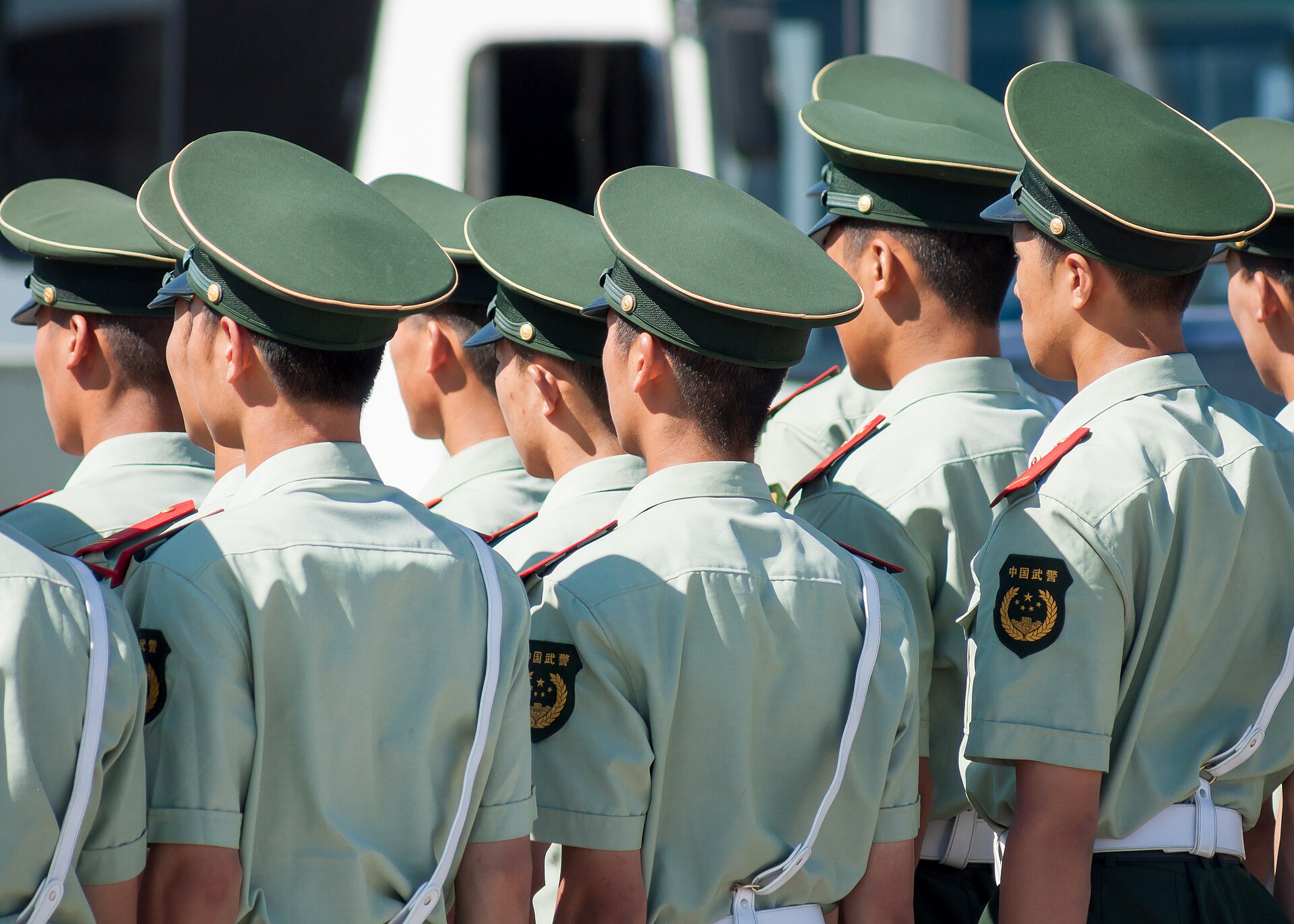
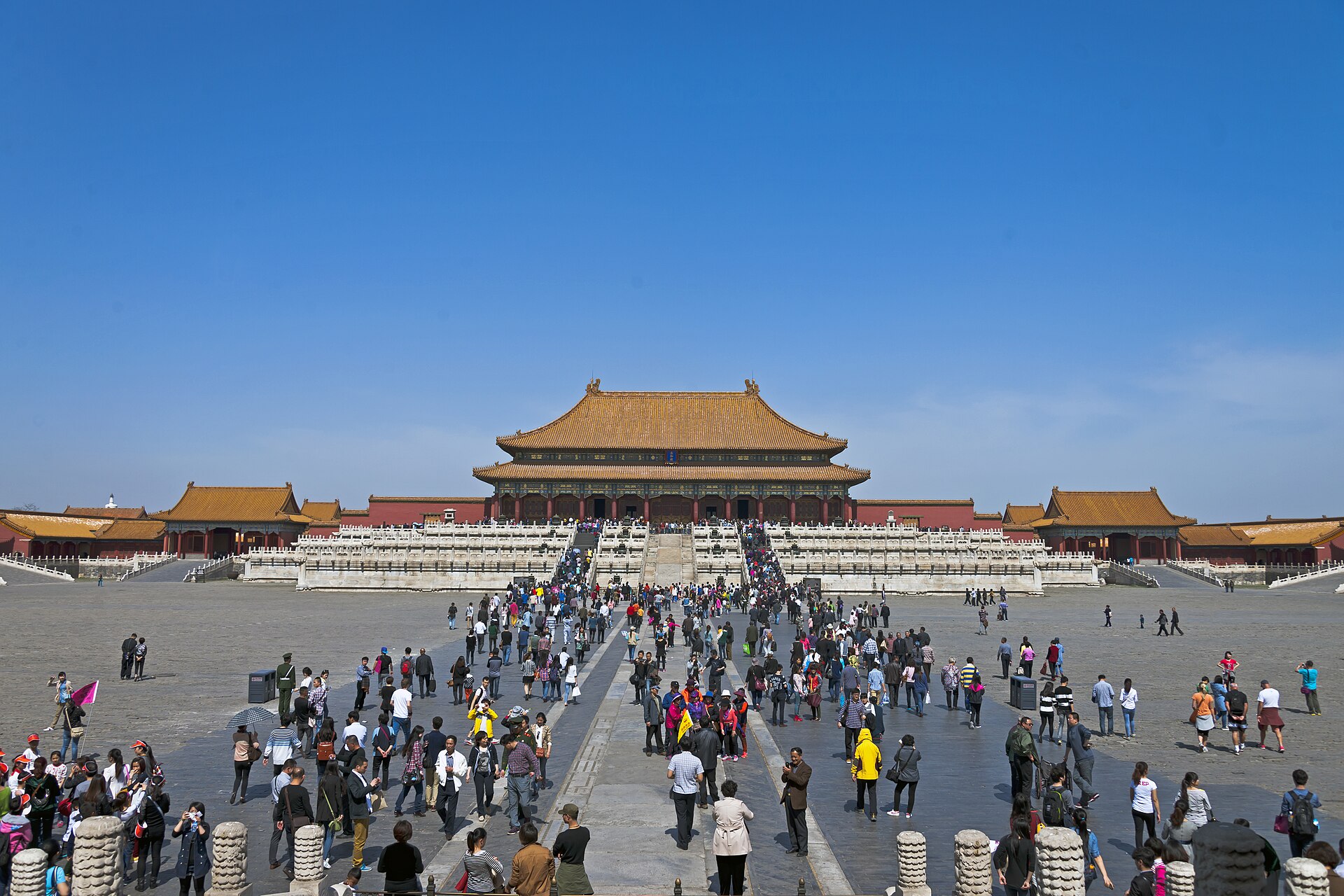
Walk north through the Tiananmen gate complex toward the Forbidden City, officially the Palace Museum (故宫博物院). Follow the signed visitor route to the Meridian Gate (午门), the museum's public entrance. Security and the approach from the square can add another 20–40 minutes.
Aim to enter the Forbidden City between 8:30 and 9:30. Tickets are approximately ¥60 from April through October and ¥40 from November through March; some specialist galleries cost extra. Tickets are limited and advance real-name booking is essential. The museum is commonly closed on Mondays except around certain public holidays. Prices, release schedules, opening hours and closure arrangements can change. Re-verify before travel.
Allow three to four hours. Follow the central axis through the major ceremonial halls, but make time for one side area such as the residential courtyards rather than trying to cover the entire complex. Bring water and use the toilets when you see them. Food choices inside are limited and often busy.
Afternoon
Leave through the Gate of Divine Prowess (神武门) at the north end of the Forbidden City. You cannot normally reverse the visitor flow and leave through the southern entrance.
Find a simple lunch near the northern gate or along the route toward Shichahai. Budget about ¥35–¥70 for noodles, dumplings or a basic sit-down meal. Restaurants immediately beside major entrances may be crowded; walking 10–15 minutes usually gives you more choice.
Cross the road carefully to Jingshan Park (景山公园). Entry is usually about ¥2, although special-event pricing and opening hours can vary. Re-verify before travel. No advance booking is normally necessary, but carry your passport in case ticketing requirements change.
Allow 60–90 minutes. The climb to Wanchun Pavilion (万春亭) is short but includes steep stairs. From the top you get the clearest overview of the Forbidden City's north–south plan. On hazy, icy or very hot days, use the lower park paths instead.
From Jingshan's west side, continue toward the Shichahai area (什刹海). Walking takes roughly 25–35 minutes, depending on your route and stops. If your feet are finished, take a metered taxi or Didi; the drive is short but may be slow in central traffic.
Evening
Spend the early evening around Shichahai, including Qianhai (前海), Houhai (后海) and the lanes toward the Drum Tower (鼓楼). This is the old-neighborhood component of the day: lakes, hutong lanes and low-rise streets rather than another ticketed monument.
Allow about two hours and stay on public lanes. Hutongs are residential areas, so keep noise down, do not photograph people through their windows and ignore aggressive cycle-rickshaw sales pitches. A formal rickshaw tour is unnecessary for this route.
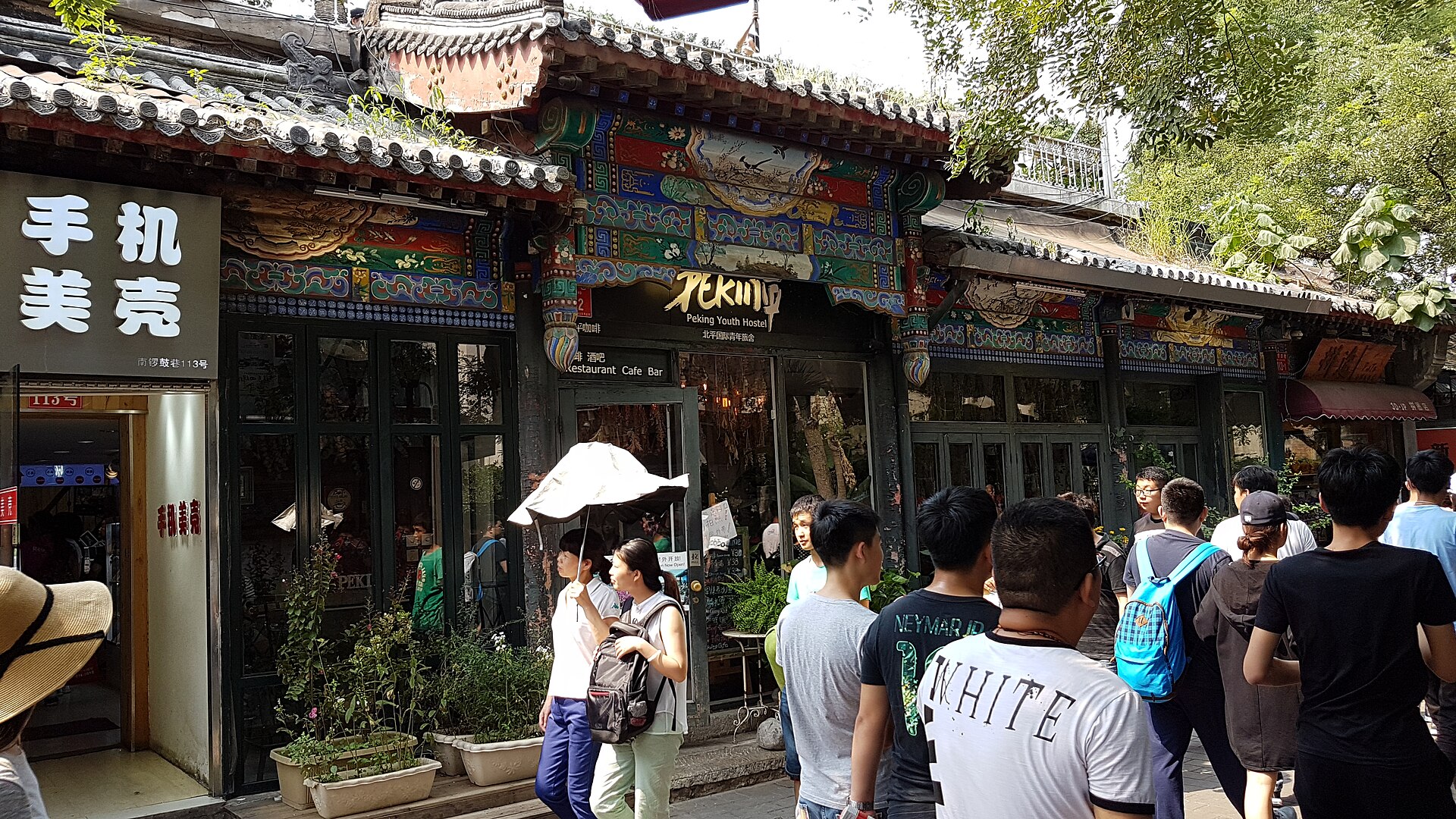
For dinner, look around Gulou East Street (鼓楼东大街) or the streets between the Drum Tower and Shichahai. Practical Beijing choices include:
- Zhajiangmian (炸酱面), noodles with fermented soybean sauce
- Jiaozi (饺子), boiled dumplings
- Copper-pot mutton hotpot (铜锅涮肉), better for two or more people
- Peking duck (北京烤鸭), worth booking if you want a well-known restaurant rather than choosing at random
Budget approximately ¥40–¥90 for noodles or dumplings, ¥100–¥250 per person for hotpot, or more for Peking duck.
Finish around 20:30–21:00. Shichahai station (什刹海站) on Line 8 is the simplest metro departure point. Check the final connection to your hotel before dinner because last-train times vary by line, direction and station. Re-verify before travel. Use Didi or a licensed taxi if the metro has closed; show the driver your hotel's Chinese address.
This itinerary deliberately leaves out the Great Wall, Temple of Heaven, Summer Palace and major museums. Each deserves substantial time, and adding one would turn a manageable central-Beijing day into a rushed checklist.
Practical information
Where to stay
For this route, stay near Wangfujing (王府井), Dongdan (东单), Qianmen (前门) or another central station with straightforward access to Lines 1, 2 or 8. Qianmen is convenient for the morning but can be crowded; Wangfujing offers easier evening food and hotel choices.
Walking and accessibility
Expect approximately 12–16 kilometers of walking, much of it on stone paving. The Forbidden City is large and offers limited shortcuts. Jingshan's viewpoint requires a steep stair climb and is the least accessible section; skip the summit if stairs, heat or ice are a problem.
Wear supportive shoes. Beijing's central sights involve long approaches, repeated security checks and few places to sit at peak times.
Budget
Allow approximately:
- Attractions: ¥42–¥62, plus any optional Forbidden City galleries
- Local transport: ¥10–¥40 by metro, more with taxis or Didi
- Ordinary meals and drinks: ¥120–¥300
- Total: about ¥175–¥400, excluding accommodation, shopping and a full Peking duck meal
Prices are approximate. Re-verify before travel.
Weather and crowds
Beijing summers can be very hot, sunny and humid; winters are cold, dry and sometimes windy. Spring can bring dust, while heavy summer rain may disrupt walking plans. Check the forecast and air quality shortly before leaving.
Avoid scheduling this day during China's major public-holiday rushes if possible, especially the National Day holiday around early October and the Lunar New Year period. Reservations can disappear quickly and security queues become much longer.
If heavy rain, dangerous heat or poor air makes the afternoon walk impractical, leave the Forbidden City, skip Jingshan and take a taxi or Didi to your hotel. Do not substitute an unreserved museum on the assumption that walk-up admission will be available.
Re-verify before travel
- Current Chinese entry and visa or visa-free eligibility for your passport and route
- Tiananmen Square reservation channel, security entrance and passport requirements
- Forbidden City ticket-release schedule, prices, opening hours and Monday closure
- Jingshan Park admission price, opening hours and any temporary restrictions
- Alipay and WeChat Pay foreign-card support, verification, fees and limits
- Mainland connectivity restrictions and current VPN conditions
- Beijing Subway payment options and last-train times
- Public-holiday arrangements, weather, air quality and temporary closures
The $2.99 PDF is pay-what-you-want — it keeps this site ad-free and independent.
Last verified 2026-10-05. Prices, hours and visa rules change — confirm key bookings before you go.